
I was told my portfolio didn’t evidence the Hollywood register. The Tiens ride films are where I wrote it — and what I learned came afterwards.
Before the Tiens films, the note on my work was that it didn’t show I could write the Hollywood register — not that I couldn’t write it, but that nothing in the portfolio evidenced it, which is a different complaint and a fairer one.
And what was in it, at that point, was 400 Years of the Telescope and Natural Selection — dome and documentary, long lines, restraint, music built to sit under narration and a moving sky. None of that demonstrates dazzling orchestration, because none of those films wanted it.
The example handed to me was Bridge to Terabithia, Aaron Zigman’s score. That particular vivid fantasy sound — the territory of Williams, Silvestri, Ottman. Bold, bright, virtuosic. Disneyesque, perhaps.
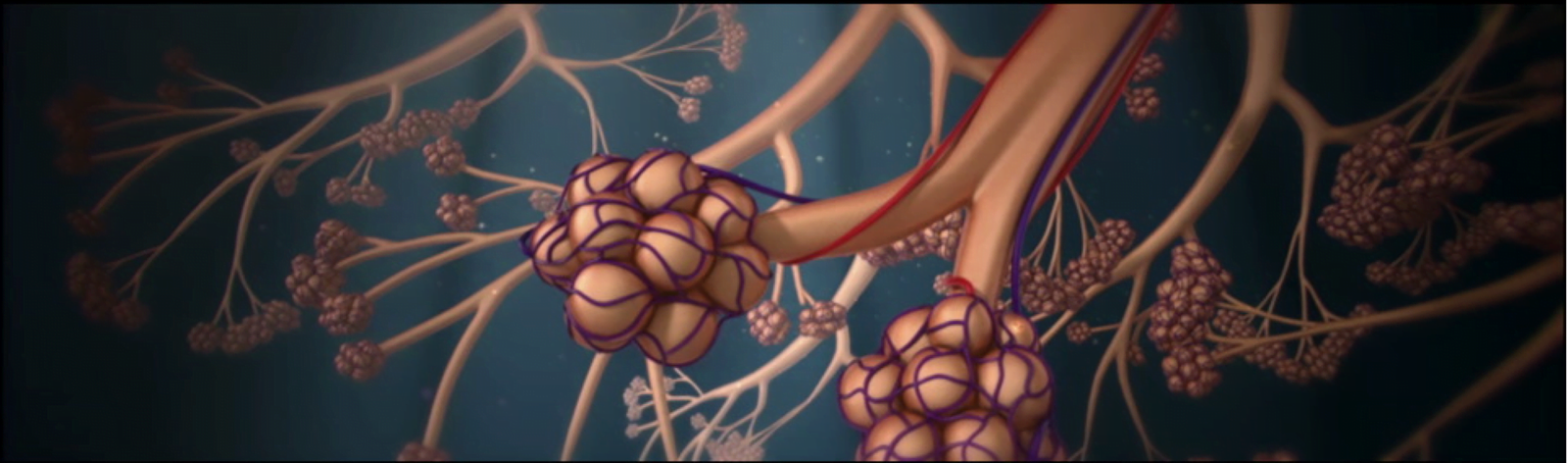
Then came Tiens: a series of short immersive films about the human body, made with Evans & Sutherland for a health park in China. Ride films want precisely the thing my portfolio didn’t show.
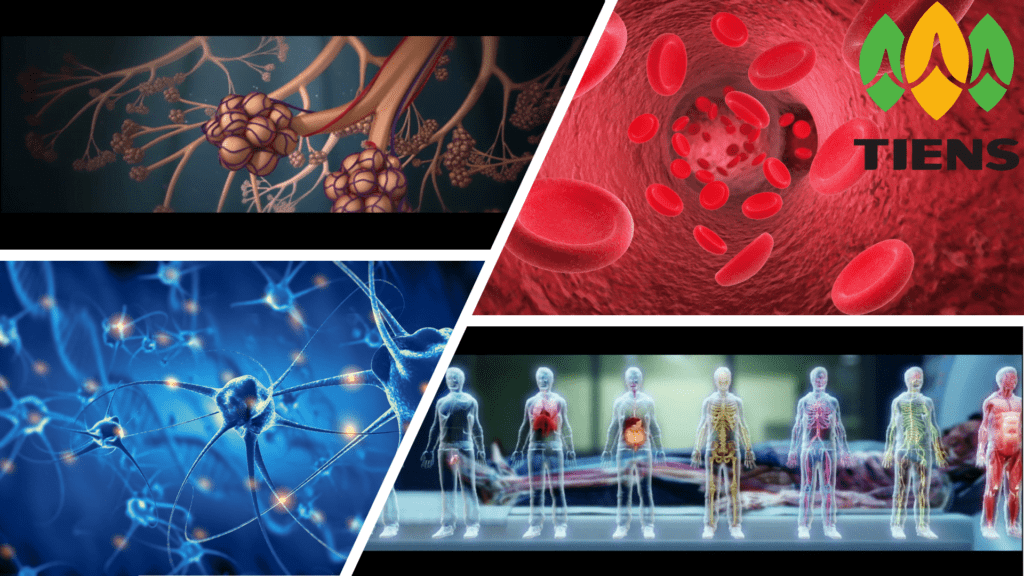
You’re moving the audience physically. The picture turns on a dime and drops them into a new world, and the music has to arrive there first — new energy, new colour, wonder and excitement, inside a couple of seconds. There’s no room for a transition in the usual sense. You make a bold statement with strong colours and clearly defined lines, then you do it again somewhere else entirely. Orchestra and electronics in the same texture, because the venue has vibration in the seats and the score is competing with the air.
So I wrote it. And later, on Dinosaurs at Dusk, I asked more virtuoso playing of the orchestra than I had before — which was noticed.
That settled the question, though mostly internally, and more quietly than that sentence makes it sound. It had never been a limit on what I could do. It simply hadn’t been appropriate to the films I’d been given.
The more useful thing came after. The pressure to demonstrate it was mine, self-imposed, and it clouded my judgement about what a film actually needed — or could absorb. A cue that proves you can orchestrate is not the same as a cue the scene wants.
There’s a cost to chasing a register on someone else’s terms, too. You risk sounding like everyone else. As an artist you can quietly downplay the quality that makes you distinctive, precisely because it reads as the thing you haven’t yet proved.
Simplicity in sound doesn’t mean simplicity in depth.